PICO Laser
PICO Laser Perth
Advanced Laser Treatment for Pigmentation, Sun Damage & Uneven Skin Tone
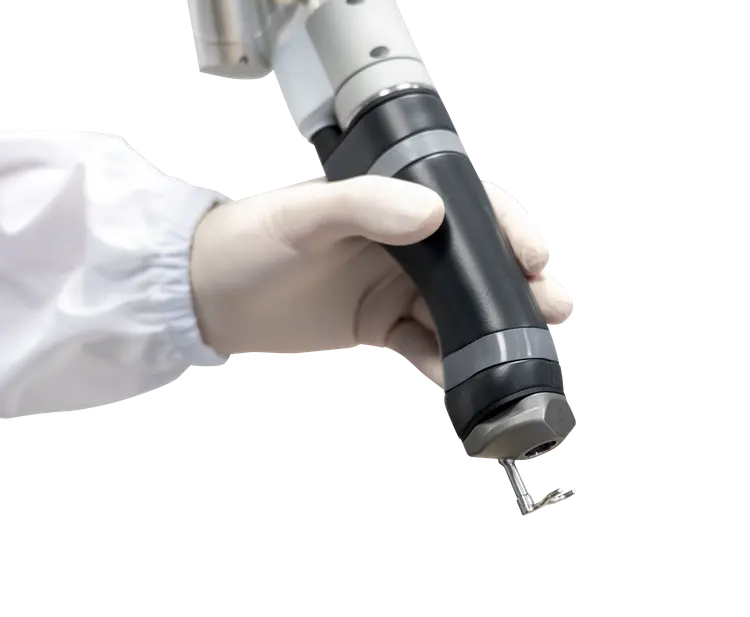
Pico Laser is an advanced laser treatment designed to target unwanted pigmentation, sun damage and uneven skin tone with minimal downtime.
Using ultra-short pulses of laser energy, Pico Laser breaks targeted pigment into smaller particles that can then be gradually cleared by the body. Because the energy is delivered extremely quickly, pigment can be targeted with less reliance on heat than some traditional laser technologies.
At The White Room Clinic in West Leederville, we use Pico Laser as part of a considered approach to pigmentation, tailoring treatment to your skin type, the type of pigmentation present and your individual skin goals.
What can Pico Laser treat?
Pico Laser may be recommended for:
-
Sun spots and sun damage
-
Freckles
-
Age spots
-
Uneven pigmentation and skin tone
-
Post-inflammatory pigmentation
-
Selected cases of melasma
-
Dull, photoaged skin
Not all pigmentation should be treated in the same way. Sun damage, freckles, post-inflammatory pigmentation and melasma can require very different approaches, which is why we assess your skin before recommending treatment.
Pico Laser vs IPL for pigmentation
Both Pico Laser and IPL can be effective for pigmentation, but they work differently.
IPL uses broad-spectrum light and can be particularly useful for widespread superficial sun damage, freckles and redness.
Pico Laser uses ultra-short laser pulses to precisely target pigment with less reliance on heat and may be preferred for more targeted or specific pigmentation concerns.
At The White Room, we offer both technologies, allowing us to recommend the treatment best suited to your skin rather than taking a one-treatment-fits-all approach.
What should I expect?
Most clients describe Pico Laser as a quick snapping or tingling sensation against the skin.
Following treatment, you may experience mild redness or warmth. Areas of pigmentation can temporarily become darker before gradually lightening or shedding over the following days.
Some superficial pigmentation may respond relatively quickly, while more persistent or widespread pigmentation may require a course of approximately 3–6 treatments.
Daily SPF 50+ and appropriate skincare are particularly important when treating pigmentation and helping to maintain your results.
Why choose The White Room for Pico Laser?
Successful pigmentation treatment isn't simply about choosing a laser. Correctly identifying the pigmentation we are treating — and knowing when not to laser — is equally important.
Because we offer multiple laser and light technologies, including Pico Laser, IPL and Laser Toning, we can recommend treatment based on your individual skin rather than trying to make one device treat every concern.
New to this treatment? A dermal consultation is required before your appointment.
Benefits ›
- Breaks down stubborn pigmentation
- Improves melasma and sun damage
- Stimulates collagen and elastin
- Enhances overall skin clarity and tone
- Minimal risk of heat-related damage
PREP & AFTERCARE ›
Before Treatment:
- Avoid sun exposure for 2 weeks prior
- Discontinue actives (retinol, acids)
- No recent tanning
After Treatment:
- Strict SPF 50 use
- Avoid heat and sweating for 24–48 hours
- Pigment may darken before shedding
- Gentle skincare only for several days
PRICING ›
| FULL FACE | $425 |
| FACE & NECK | $525 |
| FACE; NECK & DECOLLETAGE | $625 |
| NECK | $375 |
| DECOLLETAGE | $375 |
| NECK & DECOLLETAGE | $475 |
| SMALL AREA | $225 |
FREQUENTLY ASKED QUESTIONS
Pico Laser may be appropriate for selected patients with melasma, but melasma is a complex and recurring pigmentation condition. Laser treatment isn't appropriate for everyone, and overly aggressive treatment can potentially aggravate pigmentation. We recommend an individual skin assessment before treating melasma.
Pico Laser can significantly reduce the appearance of suitable sun spots, freckles and other areas of sun-induced pigmentation. Some superficial pigment may respond relatively quickly, while others require several treatments.
Pico Laser can be effective for a range of pigmentation concerns, including sun spots, freckles, age spots and uneven pigmentation. Suitability depends on the type and depth of pigmentation, which is why assessment before treatment is important.
.
Maintenance and sun protection are essential to prevent recurrence.
Treatment intervals depend on what we are treating and how your skin responds. Your clinician will recommend an appropriate interval rather than treating the skin more frequently than necessary.
Changes in superficial pigmentation may become visible as treated pigment darkens and gradually clears over the days and weeks following treatment. Results continue to develop throughout a treatment course.
Most patients tolerate treatment well and describe the sensation as quick snapping or tingling against the skin. Sensitivity varies depending on the area and treatment settings.
Pico Laser may be used in a range of skin types, but treatment settings and suitability need to be individually assessed. Darker skin contains more melanin, making careful laser selection and conservative parameters particularly important.
Any laser or light-based treatment carries a risk of post-inflammatory hyperpigmentation or other pigment changes. The risk depends on factors including skin type, treatment settings, sun exposure and the condition being treated. Appropriate patient selection and aftercare are therefore important.
Pico Laser can significantly improve the appearance of suitable sun spots and areas of sun-induced pigmentation. Some spots may respond after relatively few treatments, while others require multiple sessions.
Pico Laser can be used to target freckles and other areas of superficial pigmentation. Treated freckles may initially darken before gradually becoming lighter or shedding.
Typically, 3–6, depending on severity.
Minima, slight redness or darkening of pigment.
RECOMMENDED PRODUCTS